HOME
PRODUCTS
SOLUTION
NEWS
WHY US
SERVICE
ABOUT US
CONTACT
High-strength steel, with its superior load-bearing capacity, is widely used in large-scale steel structures and industrial facilities. However, prolonged exposure can lead to corrosion and hydrogen embrittlement.
The global energy transition is accelerating, driving sustained growth in demand for new energy power plants such as wind, solar, and hydrogen facilities. In these projects, steel structures are increasingly becoming the core choice for building and support systems due to their high strength, excellent weather resistance, and design flexibility
Steel structures, with their high strength, lightweight nature, and recyclability, have become an essential component of green buildings. They offer significant advantages in reducing carbon emissions, lowering resource consumption, and improving efficiency, thereby driving sustainable urban development.
In high-latitude regions, prolonged winters often bring severe cold and persistent snowfall, posing significant challenges to building safety.While steel structures are widely used in large-scale buildings like factories, warehouses, and stadiums due to their high strength, excellent ductility, and efficient construction
The Melbourne Cricket Ground, affectionately nicknamed 'the G' by locals, is a stadium located in Yarra Park, Melbourne, Victoria, Australia, with a capacity of over 100,000 spectators.
The Philippines' tropical humid climate and frequent typhoons pose severe challenges to the durability of long-span steel structures. Through innovations in material corrosion protection, wind-resistant design optimization, and full-cycle maintenance technologies, breakthroughs have been achieved in public building projects such as convention centers and stadiums.
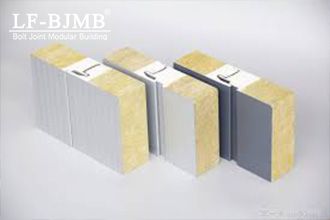
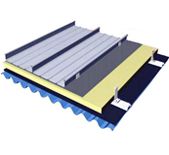
As a highly favored building material, rock wool sandwich panels find extensive application in the construction industry, commonly used in the construction of building structures such as walls and roofs. Their exceptional thermal insulation properties and outstanding fire resistance make them an ideal choice for numerous construction projects.
Factory buildings and structures are two closely related yet distinctly different concepts. Understanding their differences is crucial for engineering planning and construction. The following analysis examines their distinctions across six key dimensions.
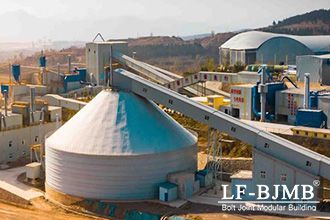
As cement demand and production capacity rise, steel silos serve as core storage facilities whose selection directly impacts production operations. When choosing silos, factors such as performance, cost, supplier reputation, and after-sales service must be comprehensively evaluated to ensure stable production.
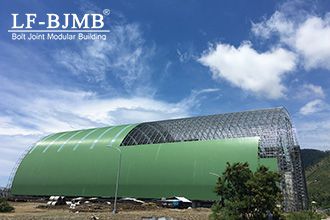
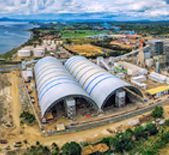
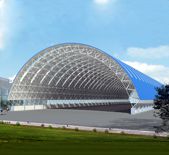
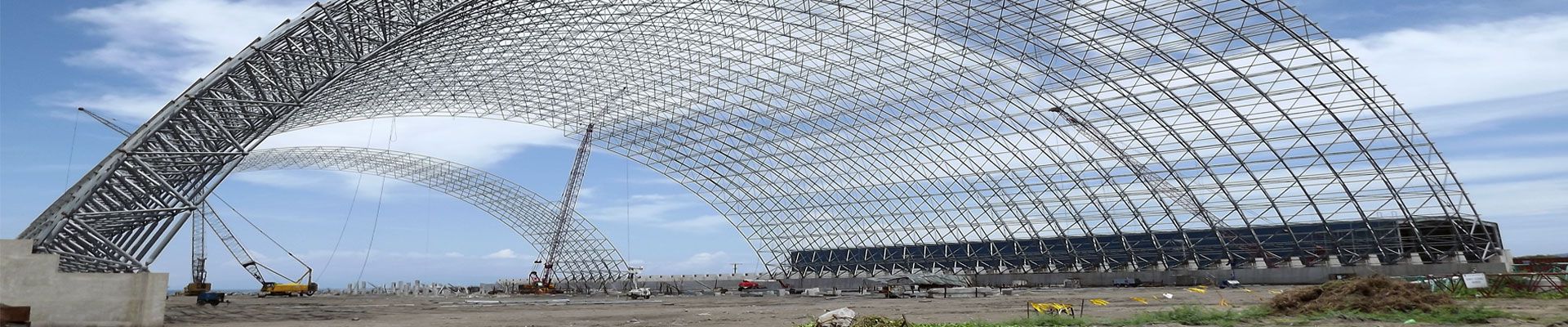
Coal resource storage is a core component of coal mine production, providing buffer support for production systems while enabling precise utilization of coal quality through categorized storage.
Compared to traditional buildings, high-rise construction demands stricter processes, technologies, and quality standards. Its implementation exhibits three distinct characteristics:First, it requires advanced technical expertise, involving frequent elevated operations and complex procedures such as electrical installations, rebar configuration, and material transportation.
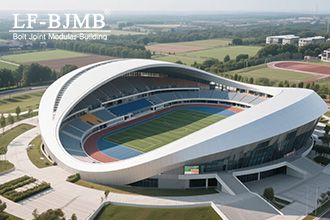
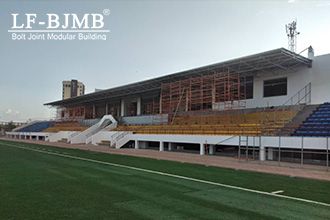
As large-scale public buildings, sports venues demand high standards for spatial span and occupancy capacity, making their fire safety planning a critical focus. Steel structures provide effective support for large-span spaces due to their outstanding mechanical properties.
marketing01@cnxzlf.com
+86-516-8595-0258
+86 177 5198 6706





 About Us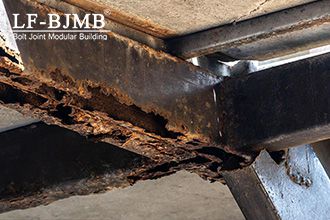
 2026-01-05