





 About Us
 2025-12-12
Compared to traditional buildings, high-rise construction demands stricter processes, technologies, and quality standards. Its implementation exhibits three distinct characteristics:
First, it requires advanced technical expertise, involving frequent elevated operations and complex procedures such as electrical installations, rebar configuration, and material transportation.
Second, it necessitates substantial equipment, including extensive transportation machinery, with some operating under high-voltage conditions that demand exceptional stability and reliability.
Third, the massive scale of projects increases construction complexity. Improper technical or quality control can easily lead to safety hazards.
As people’s demands for living standards rise, building functions and structures continue to innovate, driving ongoing optimization of construction techniques. To accelerate the commissioning of high-rise buildings, construction timelines are constantly being shortened.
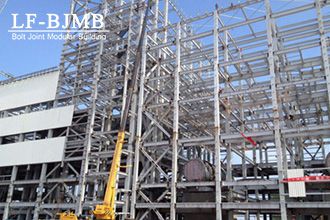
In high-rise construction, engineering techniques are crucial to the structure’s integrity, functionality, and service life. Key construction techniques include:
(1) Concrete Construction Techniques: As a vital component, this encompasses pumping, pouring, and curing technologies. Scientific mix design is essential during construction to ensure structural strength; pumping technology can increase delivery height, requiring proper control of aggregate gradation; vibrators must regulate compaction time and frequency during pouring; curing procedures must be systematically implemented to minimize drying shrinkage deformation and cracking.
(2) Precast Formwork Construction Techniques: Precast components are formed through formwork assembly and concrete pouring. Methods like slipform and climbing formwork can shorten construction schedules. Strict control over formwork dimensions, rigidity, and strength is essential during use.
(3) Steel Structure Construction Techniques: Directly impacting structural reliability and stability, these techniques require scientifically selecting steel reinforcement strength and rigidity, maintaining strict quality control, and adjusting reinforcement frameworks according to architectural requirements.
(4) Pile Foundation Construction Technology: Critical for structural stability. High-rise buildings demand advanced foundation solutions, typically employing cast-in-place pile technology. Construction follows the sequence of drilling, hole cleaning, and reinforcing cage installation.
(5) Top-Down Construction Technology: Commonly applied for underground diaphragm walls in high-rise buildings.


