





 About Us
 2025-12-17
As cement demand and production capacity rise, steel silos serve as core storage facilities whose selection directly impacts production operations. When choosing silos, factors such as performance, cost, supplier reputation, and after-sales service must be comprehensively evaluated to ensure stable production.
- Analysis of Steel Silo Types and Applicable Scenarios
Current mainstream steel silos can be categorized into three primary types, each with distinct technical characteristics and suitable applications:
(1) Welded Steel Silos
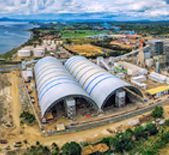
Ideal for high-capacity, high-seal, long-term storage scenarios, these silos can hold up to 100,000 tons per unit. They are the preferred solution for cement, fly ash, and other powdered materials. Their core advantages include superior overall airtightness, high structural strength, and extended service life, effectively preserving material quality during prolonged storage.
(2) Bolted Steel Silos
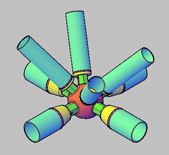
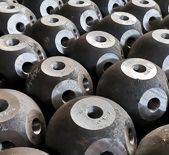
For medium-to-small storage needs ranging from 50 to 5,000 tons per silo, bolted steel silos offer distinct advantages. Featuring a modular assembly design, they provide excellent breathability and ventilation, simple structure, short construction cycles, and low initial investment. They are well-suited for production scenarios with moderate capacity or high turnover rates.
(3) Spiral-Welded Steel Silos
Spiral-welded steel silos suit storage needs below 10,000 tons per silo. They offer excellent sealing performance and accommodate various powdered materials like cement, fly ash, and clinker. However, compared to welded silos, their thinner walls result in a relatively shorter service life, making them more suitable for production scenarios with less stringent storage duration requirements.
- Geographical Location and Climate Adaptation Design
Steel silo selection should comprehensively consider the natural environmental conditions of the construction site for rational design planning:
In colder climates, winter equipment maintenance accessibility warrants attention. Critical components like degassing pipes and fluidization rods in cement silos should utilize products with excellent low-temperature resistance. Additionally, plan convenient winter maintenance pathways to ensure stable operation in cold conditions.
In coastal or high-humidity areas, where air salinity and moisture levels are elevated, corrosion and rust resistance of steel silos must be prioritized. During selection, consider materials treated with specialized anti-corrosion processes, or enhance durability through external anti-corrosion coatings and optimized internal moisture-proof designs.
- Technical Requirements for Cement Storage Management
Meeting requirements for categorized storage and quality assurance enhances overall warehouse management efficiency. When selecting steel silos, consider the following dimensions:
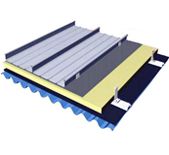
Given the potential cross-contamination risks between different cement grades and varieties, plan silo quantity and zoning based on production scale to ensure independent material storage and minimize mixing hazards. Simultaneously, bulk cement demands stringent moisture and leak prevention. Opt for silo types with superior sealing performance. Enhance storage quality stability through optimized rainproof silo roof designs and improved impermeable silo base construction.
Notably, aligning the operational space design of steel silos with the actual requirements of cement transfer equipment facilitates seamless integration of stacking, retrieval, and conveying operations. This provides robust support for enhancing storage management efficiency.


