




 About Us
 2026-01-05
High-strength steel, with its superior load-bearing capacity, is widely used in large-scale steel structures and industrial facilities. However, prolonged exposure can lead to corrosion and hydrogen embrittlement. Through scientific material selection, protective treatments, and construction management, its service life can be effectively extended, ensuring structural safety.
1. Key Challenges Facing High-Strength Steel
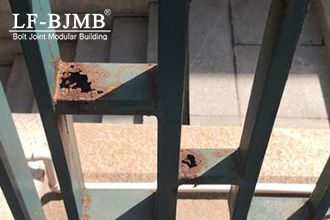
Despite its exceptional strength, high-strength steel faces two core challenges: corrosion, where exposure to air, water, or chemical media leads to rust formation that gradually weakens load-bearing capacity; and hydrogen embrittlement, where hydrogen permeates the steel lattice during welding or under high stress, potentially causing cracks or fractures that threaten structural integrity. These issues are particularly pronounced in industrial plants, bridges, ports, and chemical facilities, necessitating focused prevention.
2. Anti-Corrosion Technologies
Corrosion prevention can be approached through material selection, protective coatings, and structural design. Weathering steel forms a dense oxide layer on its surface, naturally blocking corrosive environments and reducing maintenance needs. Physical barriers like rust-proof paint, epoxy coatings, or hot-dip galvanizing create layers that prevent water and oxygen from contacting the steel. Simultaneously, optimized structural design minimizes dead zones where water and contaminants accumulate, preventing localized corrosion from worsening. Take Shanghai’s Lupu Bridge as an example: its river-spanning sections employ a combined protective approach of weathering steel and coatings, maintaining long-term corrosion resistance and significantly reducing maintenance costs.
3. Hydrogen Embrittlement Mitigation Strategies
Addressing hydrogen embrittlement requires focus on welding and material selection. During welding, use low-hydrogen electrodes while precisely controlling welding temperature and speed to minimize hydrogen ingress. Post-weld annealing or tempering releases residual hydrogen within the steel, reducing crack risk. Additionally, selecting high-strength steel grades with low hydrogen embrittlement sensitivity and optimizing chemical composition can enhance fracture resistance. During the steel structure construction of the Hong Kong-Zhuhai-Macao Bridge, strict welding control and post-weld heat treatment ensured high-strength steel components remained free of hydrogen embrittlement cracks, enabling long-term stable operation.
4. Comprehensive Protection and Maintenance
In practical engineering, corrosion prevention and hydrogen embrittlement resistance require integrated protection and maintenance. (1) Regularly inspect steel for cracks and corrosion using non-destructive testing techniques such as ultrasonic, magnetic particle, and X-ray methods; (2) Utilize BIM or intelligent monitoring systems to track structural health status in real time; (3) Strictly control environmental humidity and welding sequence during construction to avoid stress concentration issues and ensure construction quality. This integrated management approach enhances the durability of high-strength steel while reducing long-term maintenance costs.
5. Conclusion
High-strength steel offers unparalleled load-bearing performance in modern architecture and industrial facilities. However, corrosion and hydrogen embrittlement pose significant challenges to its service life. Practical solutions include selecting weather-resistant materials, implementing coating protection, optimizing welding and heat treatment processes, and integrating digital monitoring for regular inspections and maintenance. This approach ensures the long-term stability and safety of steel structures.


