






 About Us
 2025-12-29
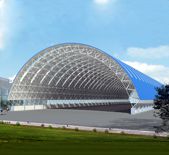
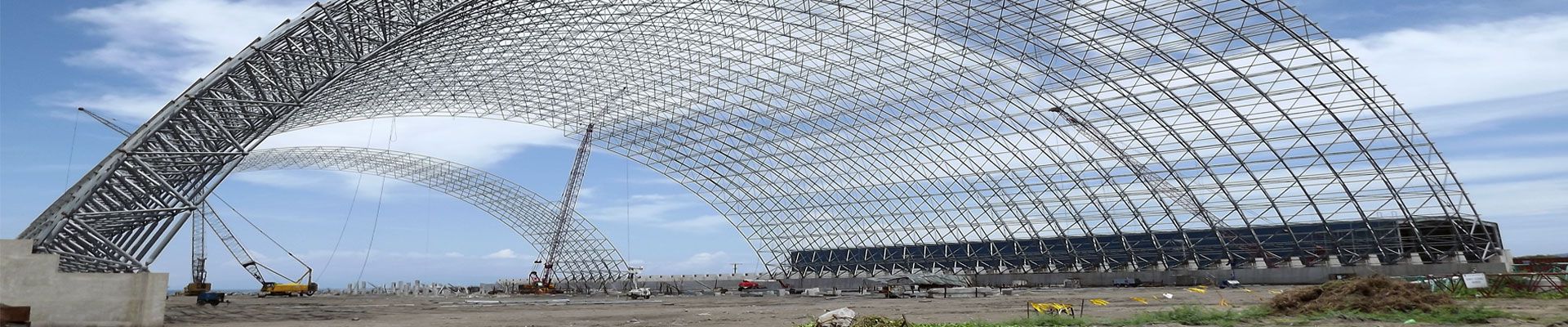
In high-latitude regions, prolonged winters often bring severe cold and persistent snowfall, posing significant challenges to building safety. While steel structures are widely used in large-scale buildings like factories, warehouses, and stadiums due to their high strength, excellent ductility, and efficient construction, ensuring their safety and durability in extreme cold and heavy snow requires targeted design and maintenance.
Impact of Low Temperatures on Steel Properties
The effect of low temperatures on steel performance cannot be overlooked. Ordinary steel exhibits increased brittleness at low temperatures, significantly reducing its inherent toughness. This makes it prone to cracking under impact loads, potentially leading to structural damage in severe cases. Therefore, material selection is paramount when designing steel structures in such regions. Prioritize steels meeting low-temperature toughness standards, such as Q355ND or other cold-resistant grades. Additionally, enhance safety factors at critical load-bearing points—like beam-column joints and welds—by increasing section sizes or optimizing connection methods to mitigate the risk of low-temperature brittle fracture.
Challenges from Heavy Snow Loads
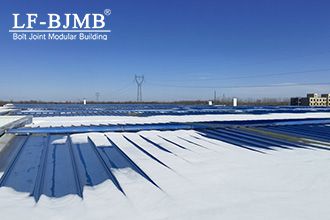
Snow accumulation poses equally critical load challenges. Snow buildup on roofs not only increases vertical loads but can also form heavier frozen layers if temperature fluctuations cause melting followed by refreezing. Furthermore, factors like partial shading and shifting wind directions may lead to uneven snow distribution, causing structural imbalance. Design must strictly adhere to local meteorological data and building codes to accurately calculate snow load values. For instance, in parts of Northeast China, snow load standards can exceed 0.7 kN/m². This requires designing appropriate roof slopes (typically no less than 1:5) combined with anti-snow-drift roof systems to minimize snow retention. Simultaneously, optimizing beam and purlin spacing and cross-sections ensures the structure uniformly bears snow loads.
Protection and Maintenance Measures
Implementing protection and maintenance measures is crucial for ensuring the long-term safety of steel structures in extreme environments.
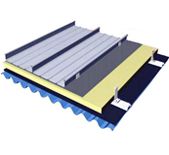
Roof Design: Beyond steep slopes, roofs may incorporate anti-slip coatings or snow-melting strips to accelerate snowmelt. Insulation Envelope: Exterior walls and roofs require proper insulation layer installation using high-efficiency materials like rock wool or polyurethane. This minimizes heat loss from indoor-outdoor temperature differentials and prevents ice buildup beneath roofs due to excessive cold, which could compromise structural stability.
Drainage System: Drainage system design requires careful consideration. Increase gutter cross-sectional area, densify drain outlets, and implement pipe freeze protection to ensure timely drainage of melted snow. This prevents ice dams from damaging the roof or causing leaks.
Structural Monitoring: Where feasible, install load and temperature sensors at critical roof locations to monitor snow accumulation weight and steel temperatures in real time. Trigger alerts when approaching safety thresholds, enabling maintenance teams to promptly clear snow or implement reinforcement measures.
In reality, steel structures are not inherently vulnerable in extreme cold and heavy snow conditions. By selecting appropriate materials, implementing scientific design, and maintaining rigorous daily upkeep, their performance advantages can be fully realized, ensuring long-term safety and stability. The core to ensuring steel structures remain safe and reliable during snowy seasons lies in the combination of three elements: appropriate material selection, scientifically sound roof design, and meticulous daily maintenance.
Do you have construction needs for warehouses or other structures in cold regions? Contact LF immediately to explore more solutions.


