






 About Us
 2026-07-06
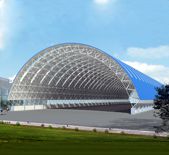
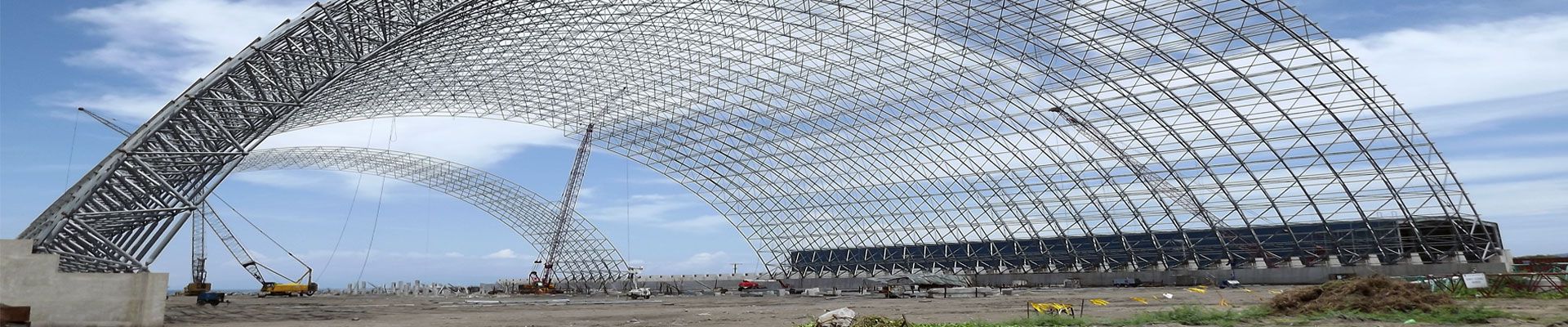
1. Different definitions. A grid structure is a spatial structure composed of numerous members connected at nodes to form a regular geometric pattern. Within the category of grid structures, double-layer or multi-layer flat grid structures are referred to as spatial grid structures, whereas curved grid structures are known as reticulated shell structures.
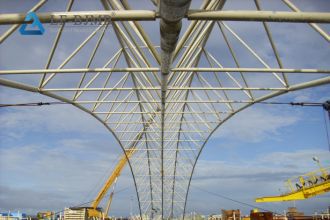
2. Reticulated shells offer superior aesthetic appeal compared to standard spatial grid structures. They possess elegant architectural forms, granting designers ample creative freedom regarding the building’s plan, exterior profile, and overall shape. They can take various plan and surface forms—even resulting from the cutting and combination of curved surfaces—and can express both static beauty and dynamic beauty through variations in plan and elevation cuts, as well as changes in the grid pattern and support members.

3. Variable load values differ. For spatial grid structures, the roof is generally inaccessible to pedestrians, so the standard value for roof live load is 0.3 kN/m² (note: while 0.5 kN/m² is sometimes cited for general roofs, specific codes often specify 0.3 kN/m² for these types of structures); however, the specific values used depend on the applicable load codes. Furthermore, the differing shapes of spatial grid structures and reticulated shells result in different wind load shape coefficients, leading to variations in the actual wind loads experienced.
4. Roof drainage methods differ. Reticulated shell structures naturally facilitate drainage due to their curved shape, whereas spatial grid structures typically employ the following drainage methods:
(1) Arching the entire spatial grid structure; this approach offers good seismic performance.
(2) Varying the height of the spatial grid structure; while this increases the variety of top-chord and web members—complicating fabrication—it enhances the structure’s seismic performance.
(3) Adding short vertical posts at the top-chord nodes; however, these posts require verification for seismic resistance and stability.
5. Calculated member lengths and permissible slenderness ratios differ. Differences in calculated lengths primarily concern web members; relevant codes should be consulted for specifics. Limiting the slenderness ratio for compression members prevents excessive slenderness, which could lead to initial curvature and significantly reduce load-bearing capacity. For tension members, the limit ensures sufficient rigidity during fabrication, transport, installation, and service. Members directly subjected to dynamic loads require even greater rigidity; specific values are found in the codes.
6. Differences in the nature of internal forces. In single-layer reticulated shell structures, members must be rigidly connected to transmit bending moments, whereas spatial structures generally employ pinned connections. Planar spatial structures exert no horizontal thrust or tension on their supports; reticulated shells differ in this regard, requiring substantial edge members for restraint.
7. Seismic analysis requirements differ. For spatial structures: in regions with a seismic design intensity of 8, horizontal seismic calculations may be omitted, but vertical seismic calculations are mandatory; in regions with an intensity of 9, both horizontal and vertical seismic calculations are required. For reticulated shells: in regions with a seismic design intensity of 7, vertical seismic calculations may be omitted, but horizontal seismic calculations are mandatory; in regions with intensities of 8 or 9, both horizontal and vertical seismic calculations are required.


