




 About Us
 2026-07-03
Steel structures in coal storage silos operate in complex industrial environments characterized by high humidity, heavy dust, and various pollutants, making the steel highly susceptible to oxidation and rust. Coastal regions present even harsher corrosive conditions—high humidity, high salt-spray content, and frequent exposure to sea winds—which significantly accelerate the corrosion and degradation of steel structures. Inadequate anti-corrosion system design or insufficient protection levels can shorten the silo’s overall service life and compromise structural safety and stability, while also driving up future inspection, refurbishment, and maintenance costs. Therefore, the design of coastal coal storage silos requires a targeted, high-standard anti-corrosion strategy. This article systematically outlines five core issues that must be prioritized in the anti-corrosion design of coastal silos and, drawing on practical experience from tropical coastal projects, offers scientific and actionable design approaches.
1. Primary Causes of Severe Steel Corrosion in Coastal Areas
Compared to inland industrial sites, coastal areas possess multiple environmental characteristics that accelerate steel corrosion. High-humidity air continuously forms a water film on the steel surface, creating the necessary conditions for oxidation and rust. Airborne salt-spray particles adhere to structural components, creating a highly electrolytic corrosive environment that drastically speeds up the rate of metal rusting. Furthermore, coastal regions experience strong winds and frequent gusts; salt-laden sea winds constantly scour the building structure. Combined with significant diurnal and seasonal temperature fluctuations, the resulting wet-dry cycling further exacerbates the aging and cracking of anti-corrosion coatings. Given this combination of factors, standard inland anti-corrosion solutions are entirely unsuitable for coastal conditions; instead, a specialized, higher-grade anti-corrosion design system tailored to these specific demands must be adopted.
2. Selecting an Anti-Corrosion System Matched to Operating Conditions
Anti-corrosion systems for coastal coal storage silos must be selected based on specific site conditions—such as salt-spray concentration, humidity levels, and the intensity of the corrosive environment—thereby avoiding a “one-size-fits-all” or low-standard approach to protection. Conventional anti-corrosion coating systems consist of multiple layers—primer, intermediate coat, and topcoat—that isolate the steel from air and salt; this approach is suitable for areas with mild coastal corrosion. Hot-dip galvanizing protects the substrate by forming a dense zinc layer that acts as a sacrificial anode, offering robust stability and a long service life. For offshore and island projects exposed to high salt spray and severe corrosion, a dual-protection strategy combining galvanizing with a composite coating system is standard practice. This approach leverages the substrate protection provided by hot-dip galvanizing alongside the salt-spray and aging resistance of the topcoat to provide comprehensive defense against complex coastal corrosive environments; it is the preferred choice for high-end coastal coal storage projects.
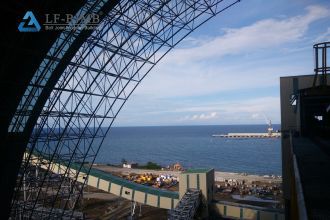
3. Meticulous Anti-Corrosion Design for Structural Joints
Steel structure joints are the most vulnerable points for corrosion in coastal coal storage silos. Various splicing joints, connection gaps, and bearing locations are prone to the accumulation of salt, dust, and water. Prolonged cycles of wetting and drying often lead to early coating failure and steel corrosion at these points, which can subsequently spread to the entire structure.
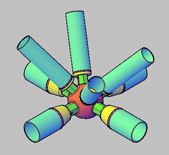
During the design phase, joint configurations must be optimized to minimize features that trap water or dust—such as recesses, dead corners, and crevices—and to ensure proper drainage slopes that facilitate the rapid runoff of rainwater and condensation, thereby preventing salt accumulation. Additionally, coating application at joints requires strict quality control, including thorough sealing of gaps and increased coating thickness at edges and corners; this eliminates localized protection weaknesses and reduces corrosion risk at the structural level.
4. Enhanced Sealing and Anti-Corrosion Design for the Enclosure System
A robust enclosure system serves as the primary barrier against external salt spray, effectively limiting the direct ingress of salt spray, moisture, and sea winds into the storage structure and reducing the corrosive stress on the main steel framework.
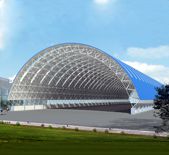
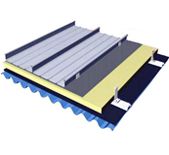
Coastal coal storage silos require a fully enclosed design utilizing specialized cladding materials that offer high corrosion and aging resistance, ensuring suitability for the harsh coastal conditions characterized by salt spray, strong winds, and intense sunlight. At the same time, rigorous waterproofing and sealing designs must be implemented for roofs, walls, doors, windows, and joints to eliminate water seepage, air infiltration, and salt leakage. A fully sealed enclosure system isolates the structure from external corrosive agents, thereby mitigating the corrosion load on the primary steel structure at the source.
5. Optimize ventilation and humidity control systems to reduce internal corrosion
Enclosed coal storage silos suffer from poor internal air circulation and rapid humidity accumulation. Combined with the damp, coal-dust-laden environment, this creates highly corrosive conditions that accelerate steel structure corrosion.
During the design phase, natural and mechanical ventilation systems must be scientifically integrated. Ventilation windows, roof monitors, and humidity extraction equipment should be strategically positioned to ensure continuous replacement of humid air, lower internal humidity, and minimize condensation.
Effective ventilation and humidity control balance internal and external environments, preventing prolonged dampness and stuffiness; this helps reduce the overall corrosion rate and enhances the structure’s long-term corrosion resistance and durability.
6. Establish a routine corrosion protection and maintenance mechanism
Comprehensive initial corrosion protection design requires systematic follow-up maintenance to maximize the silo’s service life. During operation, a regular inspection mechanism must be established to monitor the integrity of anti-corrosion coatings, the corrosion status of structural connections, the sealing of the enclosure, and the functionality of the drainage system. Issues such as coating peeling, cracking, detachment, or localized rust spots must be addressed promptly through repairs and refurbishment; accumulated salt and dust at connection points should be cleared, and drainage systems kept operational. Routine inspections and maintenance effectively prevent minor corrosion issues from escalating, significantly reduce overall refurbishment costs, and ensure the structure’s long-term, stable operation.
7. Practical experience from tropical coastal projects
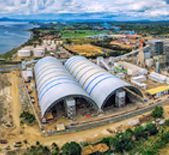
Taking projects in tropical coastal regions—such as the Philippines—as examples, local coal storage silos face multiple harsh conditions year-round, including strong typhoons, high humidity, heavy salt spray, and intense solar radiation, making them representative of highly corrosive environments. By adopting a suitable high-end composite anti-corrosion system, optimizing drainage details at structural joints, reinforcing the airtightness of the enclosure, implementing comprehensive ventilation and moisture-removal systems, and adhering to a regular maintenance schedule, the steel structure can achieve long-term, rust-free, stable, and safe operation. This proven anti-corrosion design and O&M (operation and maintenance) strategy serves as a standardized reference for coal storage silo projects in highly corrosive regions, such as coastal areas, tropical seaboards, and islands.
Conclusion
The design of coastal coal storage silos differs from standard inland projects; the keys to structural safety and durability lie in the scientific and specialized design of the anti-corrosion system. To address the complex, corrosive coastal environment—characterized by high humidity, heavy salt spray, and strong sea winds—five core measures are essential: selecting appropriate anti-corrosion processes, optimizing structural joints, enhancing enclosure airtightness, improving ventilation and moisture removal, and implementing long-term maintenance. These measures comprehensively boost the steel structure’s corrosion resistance, effectively delay structural aging, reduce O&M costs, and ensure safe, stable, and efficient long-term operation under harsh coastal conditions, thereby guaranteeing the sustainable and durable construction of coastal bulk material storage projects.
Frequently Asked Questions (FAQ)
Q1: Is hot-dip galvanizing mandatory for coastal coal storage silos?
A: Hot-dip galvanizing is not mandatory for all coastal projects; the choice depends on a comprehensive assessment of factors such as local salt spray concentration and the corrosivity category of the environment.
Q2: How often does the anti-corrosion coating on coastal coal storage silos require maintenance?
A: A routine annual inspection mechanism should be established. In high-salt-spray areas, a comprehensive inspection is recommended annually, with overall maintenance and repairs performed every three to five years. Timely refurbishment based on coating aging and corrosion levels is necessary to prevent the spread of rust.


