





 About Us
 2026-05-11
With the increasing frequency of major global sporting events, the passion for sports and architectural ingenuity have sparked brilliant innovations in venue design. Sports arena design is no longer limited to functionality alone; acrylic (Plexiglass), due to its unique material properties, has become a popular choice for sports arena roofing.
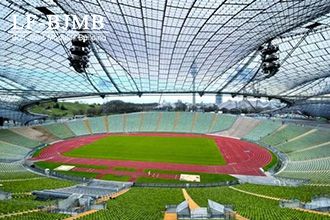
A Landmark of the Century: The Munich Olympic Stadium
Looking back at history, it is easy to trace acrylic’s illustrious legacy in sports architecture. The Munich Olympic Stadium in Germany, an iconic structure built in 1927, astonished the world with its 75,000-square-meter acrylic dome.
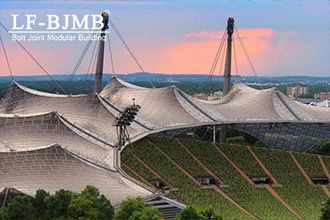
This epoch-making structure, which cost over 100 million marks, used steel cables to support transparent acrylic, achieving structural lightness and flexibility while creating a visual sense of airiness and fluidity.
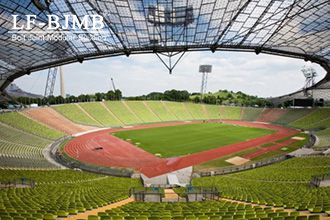
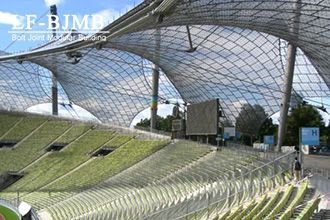
The designers employed highly transparent acrylic to mimic the undulating contours of the Alps, combining this with Germany’s modern democratic spirit to symbolize the rebirth and hope of post-war West Germany. This structure demonstrated the reliability of acrylic for large-scale roofing applications.
Structural Magic: Xiamen Egret Stadium
Turning our attention to the present, the Xiamen Egret Stadium has become another model of domestic sports architecture thanks to its unique design and ingenious use of acrylic. As the world’s third stadium designed for both professional soccer and track and field, it features an acrylic curtain wall gutter system at a height of 90 meters.
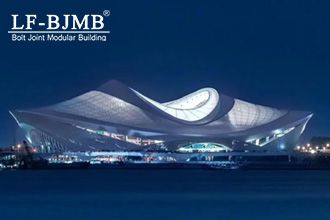
These acrylic structural components atop the stadium consist of 40 sections of 35mm-thick large-format acrylic panels. The largest single structural element is just 46mm wide and spans 12.4 meters, formed into arches of varying curvatures through a thermal bending process. The engineers had to ensure the structure could bear the required load per square meter while simultaneously achieving a lightweight roof design.
The success of the Xiamen Egret Stadium is inseparable from the masterful command of acrylic processing technology. Faced with the challenges of the arched structure, the team successfully heat-bent 155 curved acrylic panels and performed multi-segment seamless splicing, leveraging their extensive experience and advanced technology.
Green Dome: Hangzhou Asian Games Climbing Hall
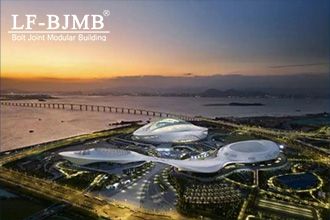
The transparent roofing material for the “cocoon-shaped” Climbing Hall at the 2022 Hangzhou Asian Games also utilizes acrylic. Acrylic serves not only as an aesthetic medium but, with its recyclable properties, embodies green technology in practice.
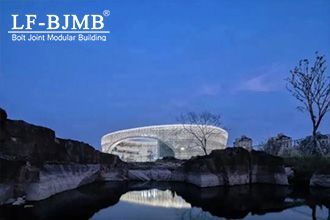
During the day, the translucent acrylic panels lend the entire venue an exceptionally crystalline appearance. Viewed from a distance, it resembles an exquisitely crafted silkworm cocoon. At night, a smart lighting system creates a kaleidoscope of colors that shine through this transparent “cocoon,” creating a dreamlike, ethereal atmosphere.
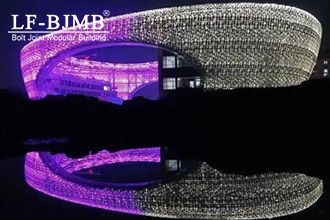
Under the shelter of the transparent roof, the Climbing Hall not only provides essential coverage but also maximizes the view of the sky, allowing natural light to flood the venue and contributing to energy conservation and emissions reduction.
From the undulating dome of the Olympic Stadium in Munich to the streamlined canopy of the Xiamen Egret Stadium, and now the “silk cocoon” roof of the Hangzhou Asian Games Climbing Hall, acrylic is writing a new chapter in sports venue roof design through groundbreaking applications.


