






 About Us
 2026-04-06
1. Snow Melt Resistance
In regions with high snow loads, snow melt resistance focuses on snow load distribution, snow melting measures, and prevention of snow sliding.
Under wind loads, snow particles will shift across the roof surface; CFD technology is required to simulate the roof profile and the impact of wind loads on snow particle drift. Roof system gutters and downspouts must be protected against blockage caused by refreezing of melted snow in early spring; electric tracing systems may be installed to ensure the unobstructed drainage of meltwater. The layout of electric tracing should be based on the principle of ensuring the unobstructed flow of meltwater drainage channels, rather than melting snow across the entire roof surface.
For roof areas with a slope of approximately 8 degrees or steeper, snow fences should be installed perpendicular to the direction of snow slide to prevent snow from sliding down the slope. Thin baffles 3–5 cm high should be installed at the ends to reduce ice formation, and electric tracing should be installed near the eaves to prevent snow accumulation. Drainage channels and openings should be provided to guide meltwater away.
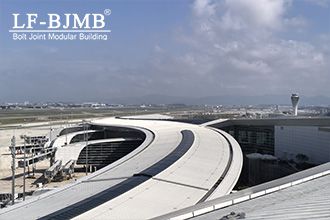
2. Roof Maintenance
Roof maintenance can be divided into three stages: routine maintenance, repairs, and renovation.
1) The purpose of routine maintenance is to ensure the terminal building’s roof system remains fully functional. Tasks include clearing debris and silt from gutters and downspouts, unclogging downspouts, replacing aged or loose fasteners and seals, repairing aged waterproofing membranes and skylight sealants, and adjusting flashing.
2) The core of repairs is to assess the degree of deterioration of the roof system, formulate a repair plan, and significantly extend the service life of the metal roof system.
3) Renovation involves the complete replacement of the entire roof system and is typically carried out in conjunction with major structural overhauls or significant functional renovations of the building.
Key Areas for Routine Inspection and Maintenance
1) Gutter outlets and siphon downspouts should be cleaned at least twice a year. Inspections should be conducted especially before the rainy season to ensure unobstructed drainage.
2) Flashings should be checked regularly for looseness, missing or fallen fasteners, and promptly replaced or reinforced.
3) Flexible roofing membranes located on both sides of the eaves and beneath the flashing. Since the reliable waterproofing performance of flexible membranes lasts only about ten years, the flashing should be opened at appropriate intervals to inspect the membranes.
4) Silicone sealant joints around skylight glass: These should be completely removed and replaced after 10 years of use. Joints that have been in use for 3–5 years may develop localized voids; each section of the sealant joint should be pressed to check for voids, which should be removed and refilled immediately if found.


