




 About Us
 2026-03-06
1. Roof Structure Analysis and Waterproofing Challenges
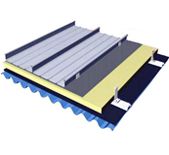
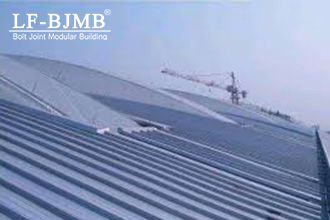
Metal roof steel structures utilize metal sheets as the roof covering layer, supported by a framework of steel trusses, beams, and columns. While offering advantages such as lightweight yet high strength, flexible design, and efficient construction, waterproofing issues present significant challenges. The primary waterproofing vulnerability lies in the joints between metal roof panels. Whether horizontal or vertical, these seams are prone to gap widening or misalignment due to temperature fluctuations, roof vibrations, and panel manufacturing tolerances, creating pathways for rainwater infiltration. Furthermore, various roof connectors and fasteners—such as self-tapping screws securing panels—can become compromised over time. Corrosion of screws and deterioration of sealants allow rainwater to infiltrate through screw holes. Additionally, the deformation characteristics of steel structures cause displacement under loads and temperature variations, posing significant challenges to the waterproofing of closely connected metal roof panels. Inadequate waterproofing measures will result in frequent roof leaks.
2. Critical Waterproofing Areas and Countermeasures
(1) Panel Joint Waterproofing
Selecting high-quality sealants is crucial. Materials like silicone weatherproof sealants offer exceptional UV resistance and high/low temperature tolerance, adapting to complex roof environmental changes. During installation, thoroughly clean both sides of the joint to remove grease, dust, and other contaminants, ensuring optimal adhesion between the sealant and panels. Inject sealant evenly into the panel joints, filling them completely to form a continuous waterproof bead. The width and depth must meet design specifications to prevent rainwater from breaching this primary barrier. For irregularly shaped or wider joints, reinforce sealing by combining sealant with waterproof tape.
(2) Fastener Waterproofing
Self-tapping screws, as common fasteners, require critical waterproofing treatment. First, select high-quality screws with waterproof washers. Tighten to the specified torque during installation to fully compress the washer against the roof panel, providing initial waterproofing. Apply sealant around the screw head and surrounding area to create secondary protection. The sealant must cover the screw head and extend outward sufficiently to effectively block rainwater penetration pathways. Regularly inspect screw tightness and sealant condition, repairing any loosening or cracking promptly.
(3) Node Waterproofing
Critical waterproofing focus areas include roof corners, valleys, ridges, and other junctions. Install specialized corner fittings at inside and outside corners. These fittings are precision-bent for tight integration and sealed with sealant to prevent water accumulation and leakage. Gutters, as the primary drainage collection points, should be constructed from stainless steel or galvanized steel for sufficient strength and corrosion resistance. Ensure proper sealing at connections between gutters, roof panels, and downspouts. Install gutters with adequate slope to prevent water backflow. Install ridge caps at roof ridges, securing them with interlocking fasteners and screws, then sealing them to ensure rainwater flows smoothly to both sides.
3. Key Maintenance Points
Conduct regular roof inspections, focusing on the condition of sealants, waterproofing components, and drainage systems. Promptly identify and document any issues.
Before the rainy season, increase inspection frequency, clear debris from gutters to ensure unobstructed drainage, and preemptively repair or reinforce areas prone to leaks. This safeguards the waterproofing performance of the metal roof structure during wet weather, maintaining a dry and comfortable interior environment.


