




 About Us
 2026-02-20
Factories often utilize cranes weighing dozens of tons and large machine tools, placing high demands on the load-bearing capacity of the building. Steel structures offer significantly higher strength than concrete. For the same weight of material, steel can support greater loads. Constructing factory buildings with steel eliminates the need to increase wall and column thickness for load-bearing capacity. This approach not only meets load requirements but also effectively saves space, allowing for more flexible internal layouts. It provides greater possibilities for equipment installation and production process planning.
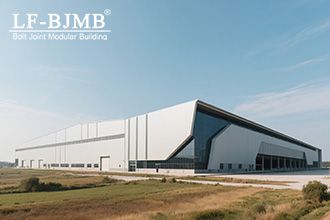
Time costs are critical for businesses, and the speed of factory construction directly impacts production commencement schedules. Traditional construction methods require on-site concrete pouring followed by lengthy curing periods. In contrast, steel structure components can be prefabricated off-site and transported to the construction site. There, they are assembled like Lego blocks using bolts or welded together. What might take half a year with conventional methods can be completed in just two to three months with this approach, allowing businesses to open sooner and start generating revenue faster.
As factories evolve, they often need to add production lines or modify warehouses. The walls of steel-structured buildings are typically made of lightweight color-coated steel panels that don’t bear weight. Removing or adding a wall can be done in just a day or two. Unlike concrete buildings, which require demolishing walls and columns for extensive reconstruction, this approach saves renovation costs and minimizes disruption to normal production, providing strong support for business growth.
With increasingly stringent environmental requirements, steel structures offer clear advantages. Steel has a recycling rate exceeding 90%. After a building is dismantled, its steel components can be remelted for reuse or directly repurposed in other projects. In contrast, demolishing concrete buildings generates 80% construction waste, while steel structures reduce waste by 70%.
Additionally, steel construction primarily involves dry processes. Compared to traditional wet methods, this significantly reduces dust and noise pollution, minimizing environmental impact on surrounding areas. Opting for steel-framed factories not only aligns with national “dual carbon” goals but also enhances corporate social image and environmental responsibility.
In summary, steel structures precisely address modern factories’ demands for heavy-duty load-bearing capacity, rapid construction, adaptability, and environmental sustainability. For businesses, choosing steel isn’t merely about building a factory—it’s about long-term cost savings, efficiency gains, and compliance with environmental policies. This is why steel remains the top choice for industrial facilities.


