




 About Us
 2026-02-25
In the field of modern steel structure construction, optimized design serves as the core approach to achieving both safety and economic efficiency. Through scientific structural optimization, it is possible to effectively reduce steel usage, lower construction costs, and enhance project efficiency while meeting safety standards.
1. Why is Cost Optimization for Steel Structures Critical?
The cost and construction complexity of steel structures largely depend on the quantity and dimensions of components. The core value of optimization lies in achieving “weight reduction, material savings, and efficiency gains” through precise calculations and design adjustments while meeting safety standards. For instance, in industrial plants and large stadiums, optimized designs can reduce the self-weight of steel beams and trusses by 20%–25% while maintaining structural integrity.
2. Material Selection and Component Optimization
Selecting high-strength steel maintains load-bearing capacity while reducing cross-sectional area, simultaneously lowering welding and transportation costs.
· High-strength steel: Used in critical load-bearing areas to minimize material waste.
· Component optimization: Adjusting beam, column, and truss cross-sections based on stress conditions to balance safety and economy.
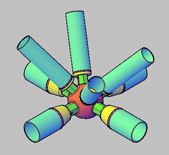
· Node Improvements: Rational connection node design enhances overall stability and seismic performance.
A Guangzhou warehouse logistics center project employed Q355 high-strength steel and optimized truss stresses in storage zones, reducing total steel consumption by approximately 18% compared to conventional designs. Construction duration was shortened by 15%, achieving triple improvements in safety, cost, and efficiency.
3. Application of Digital Technologies in Steel Structure Optimization
Today, steel structure optimization relies heavily on digital technologies, with BIM (Building Information Modeling) and FEA (Finite Element Analysis) serving as indispensable tools for engineers.
BIM models enable multidisciplinary collaborative design, visually representing structural forces to identify potential weaknesses early. Combined with FEA, they accurately simulate operational conditions, optimize node and component designs, and reduce on-site rework. Additionally, digital tools provide evidence for optimizing construction plans.
For instance, in a high-rise office building project in Beijing, the team analyzed structural stresses using BIM models. This allowed them to reduce member cross-sections while meeting code requirements, ultimately saving 12% in materials and shortening the construction schedule by one week.
4. Balancing Cost and Safety
Optimized design adheres to the core principle of “safety first, cost optimization.” Through material optimization, digital design, and construction simulation, it reduces steel consumption, shortens construction cycles, and enhances structural reliability. This approach also aligns with green building principles by reducing carbon emissions.
5. Global Steel Structure Optimization Engineering Services
In rapidly developing regions like Africa, the Middle East, and Southeast Asia, demand for industrial buildings and logistics warehouses continues to grow. Steel structure optimization design provides projects with:
Cost-controlled structural solutions
Efficient fabrication and installation support
Shortened project timelines
Long-term operational stability
This makes optimization a key competitive advantage in international EPC projects.
FAQ
1. Does steel structure optimization compromise safety?
No. Optimization is based on structural calculations and code requirements, reducing unnecessary material usage while ensuring safety.
2. How much cost savings can optimization achieve?
Depending on project type and structural form, rational optimization significantly improves material utilization efficiency.
3. Which projects are most suitable for steel structure optimization?
Industrial plants, large-span buildings, warehousing and logistics centers, and sports venues are particularly well-suited.


