




 About Us
 2026-01-28
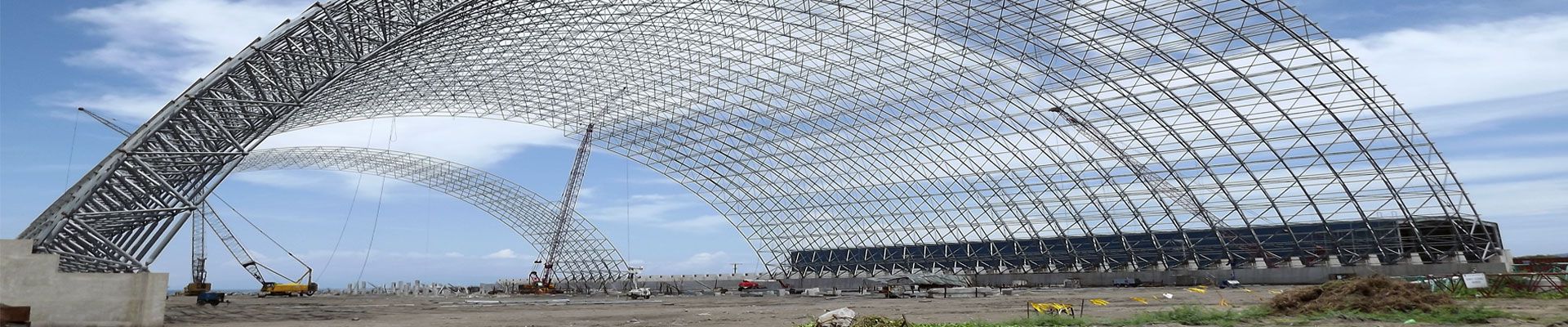
Steel structure projects, renowned for their high strength, large spans, and short construction cycles, are widely applied in industrial plants, high-rise buildings, bridges, and other fields. However, their quality directly determines structural safety and service life.
1. Material Quality Control upon Arrival: Ensuring Foundational Safety at the Source
Materials form the foundation of steel structure project quality. Upon arrival, rigorously inspect “quality certification documents” and material properties to prevent substandard materials from entering the construction phase.
(1) Steel: Verify quality certificates to confirm steel grades, strength, and other specifications meet design requirements. Conduct sampling tests for mechanical properties and chemical composition every 60 tons of identical steel specifications. Simultaneously inspect steel surfaces for flatness, cracks, rust, or other defects.
(2) Fasteners: High-strength bolts must have certificates of conformity and torque coefficient reports; retest every 3,000 sets. Welding materials must be compatible with steel grades, stored moisture-free, and dried per specifications before use.
(3) Corrosion/Fire Protection Materials: Verify anti-corrosion coatings’ salt spray resistance; fireproof coatings require fire safety certification, with testing for bond strength and fire resistance limits.
2. Factory Fabrication Quality Control: Ensuring Component Precision Meets Standards
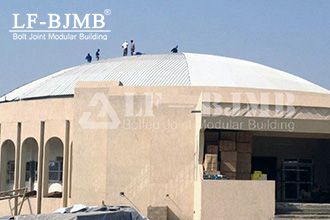
Component machining accuracy impacts installation quality, requiring strict control over cutting, welding, and assembly processes.
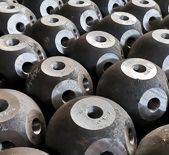
(1) Cutting: Employ computer-aided cutting to ensure precision. High-strength bolt holes must be drilled using CNC drilling machines.
(2) Welding: Conduct process qualification before formal welding to determine parameters. Inspect weld appearance post-welding; perform internal flaw detection on critical welds.
(3) Assembly and Straightening: Assemble components after surface cleaning, controlling assembly gaps. Straighten components post-welding to correct deformation while avoiding surface damage.
3. On-site Installation Quality Control: Ensuring Overall Structural Stability
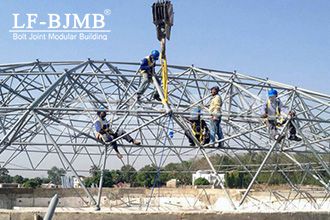
During on-site installation, ensure proper foundation connection, component hoisting, and sequence control.
(1) Foundation-Component Connection: Verify foundation axes, elevations, and embedded bolt positions before installation. Level components using shims during installation.
(2) Component Hoisting and Positioning: Develop hoisting plans based on component weight. Monitor component position and verticality with instruments during hoisting. Temporarily secure components immediately after positioning.
(3) Installation Sequence: Follow the principle of “primary before secondary, rigid before flexible.” Install major load-bearing components first, followed by secondary components.
4. Connection Node Quality Control: Eliminate Structural Weak Points
Connection nodes are critical areas in steel structures. Control connection strength and construction techniques.
(1) High-Strength Bolt Connections: Clean bolt holes before formal installation and tighten in sequence. Conduct random torque checks post-installation to ensure no bolts are missed or under-tightened.
(2) Field Welding Connections: Avoid adverse weather during field welding to ensure weld quality. Control interpass temperatures for thick plate welding.
(3) Node Anti-Corrosion Treatment: Clean node surfaces promptly after connection and apply anti-corrosion coatings.
5. Quality Control for Anti-Corrosion and Fire Protection: Extending Structural Service Life
(1) Anti-Corrosion Works: Remove rust from steel surfaces before application. Apply coatings using appropriate techniques to ensure coating thickness meets specifications.
(2) Fire Protection Works: Prepare substrates thoroughly before application. Apply coatings in layers according to coating type. Test coating thickness and adhesion strength upon completion.
6. Quality Control for Final Acceptance: Comprehensive Verification of Project Compliance
(1) Documentation Verification: Examine material certificates, construction records, and other documentation for completeness and authenticity.
(2) On-site Measurement Acceptance: Inspect structural dimensions, component and joint quality to ensure compliance with standards and design requirements.
(3) Load Testing (Special Structures): Conduct load tests on large-span or special-purpose steel structures to verify load-bearing capacity.
Quality control for steel structure projects must span the entire “Material – Fabrication – Installation – Connection – Protection – Acceptance,” with strict adherence to specifications at every control point.
Implementing a three-tiered control model—combining “Preventive Measures (e.g., process qualification, plan review), In-Process Inspection (e.g., sampling testing, process monitoring), and Post-Completion Acceptance (e.g., non-destructive testing, load testing)”—is essential to effectively mitigate quality risks and ensure the safety, reliability, and durability of steel structure projects.


