




 About Us
 2026-07-01
1. What is a coal storage shed?
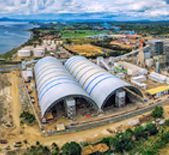
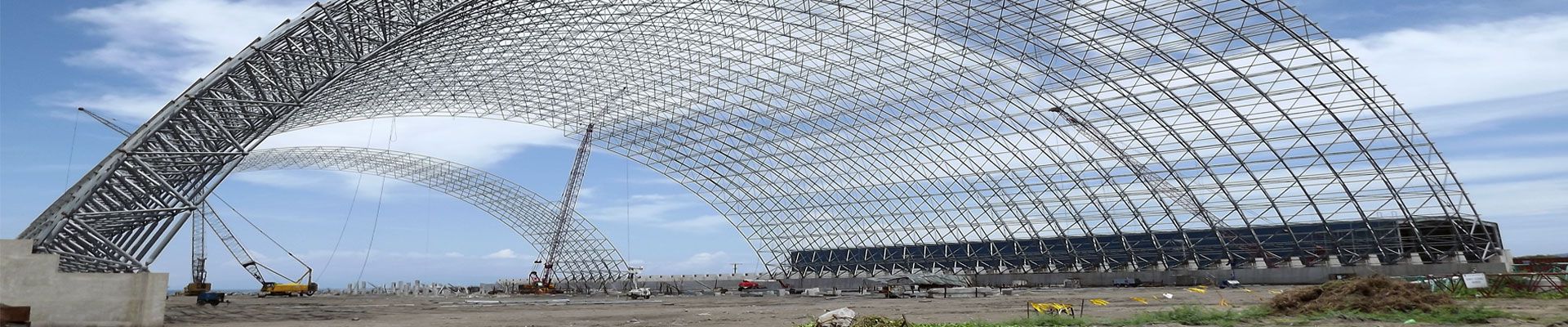
A coal storage shed is a large-span, enclosed industrial structure designed for storing coal and various types of bulk materials. Its primary function is to provide complete coverage for stored materials, shielding them from elements such as rain, strong winds, sunlight, and frost. Simultaneously, it effectively contains coal dust, significantly reducing material loss and environmental pollution in the surrounding area; it serves as a critical facility for industrial bulk material storage.
Amidst increasingly stringent national environmental policies and rising standards for green industrial production, traditional open-air coal yards—plagued by high pollution, significant material loss, and management difficulties—are gradually being replaced by standardized, enclosed coal storage sheds. Today, these sheds are widely used for bulk material stockpiling at facilities such as thermal power plants, steel mills, cement plants, ports, mines, and coking plants.
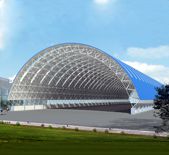
Modern coal storage sheds typically utilize lightweight steel structural systems that enable large-span designs without intermediate columns. This ensures structural stability while maximizing internal space, accommodating the operation of large stacker-reclaimers and the stockpiling of massive quantities of coal, thereby greatly enhancing storage efficiency and site utilization.
2. The necessity of building coal storage sheds
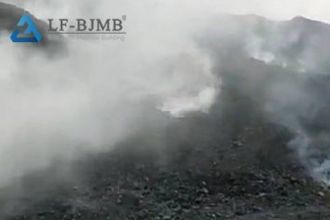
Traditional open-air coal stockpiling methods present numerous challenges that not only impact operational efficiency and profitability but also frequently lead to environmental and safety issues. Specific drawbacks include:
Compromised material quality: Rainwater runoff and saturation significantly increase the coal’s moisture content and reduce its calorific value, directly affecting the quality of feedstock and production efficiency.
Severe material loss: Strong winds can disperse fine coal particles from the surface; over time, this accumulation of loss results in substantial waste, driving up raw material procurement costs.
Significant environmental pollution: Open-air stockpiles are prone to generating airborne dust, which pollutes the surrounding air, soil, and water, negatively impacting the plant site and the living environment of nearby communities.
Environmental compliance risks: With industrial environmental regulations becoming increasingly strict, open-air coal yards are highly likely to trigger requirements for rectification during environmental inspections, placing compliance pressure and the risk of penalties on enterprises. Challenges in Safety and Control: Open-air coal yards are highly susceptible to weather conditions; rain and snow can create muddy, waterlogged surfaces, while strong winds raise dust that obscures visibility, thereby increasing operational safety hazards and making fire safety management significantly more difficult.
In contrast, enclosed coal storage sheds address these issues at the source, enabling enterprises to meet compliance standards, reduce material loss, and optimize site management—ultimately balancing environmental protection, safety, and profitability.
3. Core Advantages of Coal Storage Sheds
(1) Significant Reduction in Material Loss
The fully enclosed storage model completely isolates materials from wind and rain, eliminating issues such as coal being scattered by strong winds or washed away by rain. It also stabilizes coal moisture content and prevents raw material degradation, resulting in substantial long-term savings on raw material costs.
(2) Compliance with Environmental Regulations
The enclosed structure effectively contains internal dust and prevents fugitive dust emissions, drastically reducing the risk of air pollution. It fully complies with industrial environmental emission standards, helping enterprises avoid risks associated with environmental inspections and achieve green, compliant production.
(3) Maximized Storage Capacity
The wide-span, column-free structural design eliminates the space-consuming presence of support columns, allowing for maximum utilization of the site area. It accommodates large-scale material stockpiling and the operation of heavy machinery, significantly boosting storage capacity and operational efficiency.
(4) Lower Long-Term Operating Costs
On one hand, it minimizes economic losses caused by material waste and raw material spoilage. On the other, the durable steel structure requires infrequent maintenance, significantly cutting down on additional operating costs such as repairs, site cleanup, and environmental remediation, thereby delivering significant long-term economic benefits.
(5) Enhanced Operational Safety
The enclosed, controlled environment effectively mitigates the impact of extreme weather—such as rain, snow, high winds, and intense sun—on site operations. It also facilitates centralized management tasks like fire safety system installation, dust monitoring, and safety inspections, thereby reducing risks related to fire, dust emissions, and equipment operation.
FAQ
1. What is the standard span for a coal storage shed?
Mainstream coal storage sheds in the industry typically feature spans ranging from 30 to 120 meters, meeting the needs of the vast majority of industrial projects; for massive storage yard projects—such as those at ports or large-scale energy bases—customized spans can exceed 150 meters.
2. What is the service life of a steel-structure coal storage shed?
With proper construction and regular anti-corrosion maintenance, a standard steel-structure coal storage shed can last over 30 years; the lifespan can be further extended for customized projects utilizing premium anti-corrosion treatments.
3. What is the approximate construction period for a coal storage shed?
The construction timeline depends primarily on the project’s span, area, and site conditions. Standard small-to-medium-sized sheds take 1–2 months to install, while large-scale, ultra-long-span projects generally require 2–3 months—offering construction efficiency far superior to that of traditional civil-engineered warehouses.
4. Can coal storage sheds be custom-designed?
Yes, fully customized designs are available. Specifications—including span, height, length, roof style, anti-corrosion grade, ventilation and dust removal systems, as well as door, window, and drainage systems—can be tailored to site conditions, storage requirements, environmental standards, and local climate, ensuring a perfect fit for the project’s specific needs.


