




 About Us
 2026-03-11
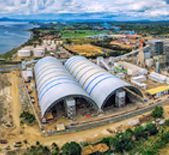
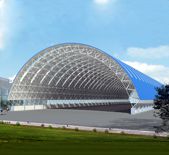
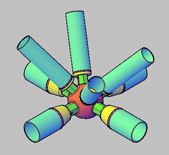
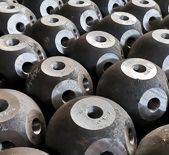
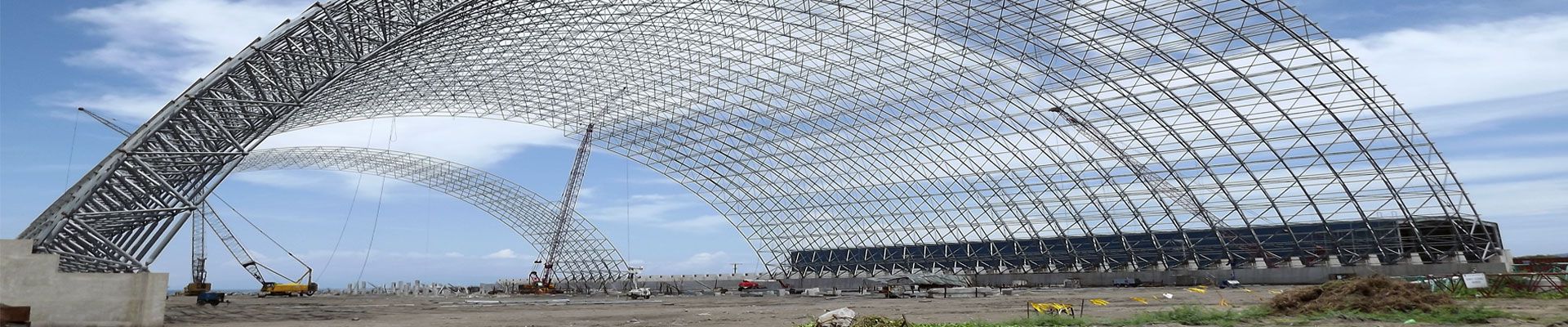
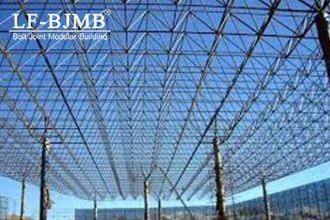
Spatial structures have gained widespread adoption in recent years. Composed of bolted spherical joints and seamless steel tubes, these statically indeterminate structures are assembled using high-strength bolts or welding. They offer advantages such as low steel consumption, excellent seismic performance, short construction cycles, and aesthetically pleasing designs. They are extensively used in large-span projects such as sports stadiums, airport terminals, high-speed rail stations, industrial plants, and large-scale storage facilities. In practical implementation, two key factors can impact the quality of bolted sphere truss fabrication and installation:
(1) Insufficient Strength of High-Strength Bolts
The strength of high-strength bolts (capable of bearing loads significantly greater than standard bolts of the same size) at bolt-ball joints is a critical factor affecting the load-bearing capacity of the structure. This strength is directly related to the surface hardness of the bolts.
(2) Inadequate Bolt Thread Engagement Length
During installation, the threaded length of the high-strength bolt screwed into the bolt sphere is concealed, making it impossible to accurately measure the inserted thread length. Insufficient thread engagement poses a risk. This is analogous to assembling a bed: if only one-third of the thread is engaged, inherent risks exist. As engagement length increases, the thread and pitch achieve optimal spacing, thereby reducing risks.
(3) Significant manufacturing deviations in bolt spheres
If manufacturing deviations in the bolt ball’s diameter, concentricity, milled surface flatness, or threading exceed permissible limits, the space frame installation will exceed allowable tolerances. This can cause the frame dimensions and centerline to fail to meet design requirements, impairing the structure’s load-bearing capacity and reducing its load-carrying capability, thereby creating hazards. Therefore, selecting a space frame manufacturer that strictly adheres to raw material quality standards is crucial.
(4) Significant Deviations in Component Manufacturing
Deviations in truss component manufacturing—such as length, end face flatness relative to pipe axes, and branch pipe centerline alignment—exceeding permissible standards will complicate truss assembly and installation. This may result in failed or makeshift installations, causing significant deviations in geometric dimensions and component centerlines that fail to meet design requirements, thereby compromising the truss’s load-bearing capacity.
(5) Installation Quality of Space Frame Structures
After installation, if additional suspended loads during use cause deflection to increase—even exceeding 1.15 times the design value specified in standards—it poses serious risks. Surface coatings may also severely peel or rust within 5-10 years, compromising aesthetics and threatening structural integrity.
The quality of space frame material processing and installation directly impacts the integrity of the entire structure and public safety. This necessitates selecting a reliable space frame fabrication company early in the project to effectively minimize deviations arising from bolted sphere frame fabrication and installation.


