





 About Us
 2026-04-22
Since the mid-1980s, building curtain walls have been widely adopted due to their striking aesthetic appeal, light weight, absence of wet work, short construction schedules, and ease of maintenance and replacement. Currently, China’s annual production capacity for curtain walls far exceeds 100 million square meters, and the scale of building curtain walls continues to grow year by year.
Curtain walls are typically installed on the exterior of buildings, and accidents involving them can easily result in pedestrian injuries or fatalities and vehicle damage. Beneath their beautiful exterior, curtain walls can be “hidden dangers.” In recent years, there has been a high incidence of curtain wall collapse accidents caused by factors such as the aging of curtain walls, construction defects, and spontaneous glass breakage. Some curtain walls have become major safety hazards affecting urban safety.
This article outlines common hazards associated with existing building curtain walls and provides recommendations for addressing them, enabling design, installation, and maintenance entities to take proactive measures to prevent accidents.
1. Classification of Building Curtain Walls
By panel material: glass curtain walls, stone curtain walls, metal curtain walls, and engineered wood panels. By support structure type: framed, unitized, point-supported, all-glass, and cable-supported curtain walls.
2. Common Types of Defects in Existing Building Curtain Walls
(1) Damage and Defects in Curtain Wall Panels
1) Panel cracking and spontaneous breakage of tempered glass
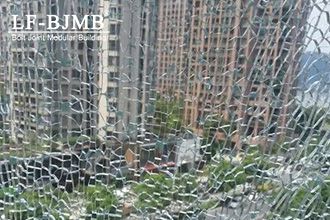
2) Intrinsic quality defects in the glass, such as scratches, bubbles, pinholes, and nodules
3) Poor sealing, resulting in air leakage, fogging, and water ingress in the glass cavity
4) Use of non-safety glass, such as ordinary glass, in certain areas, failing to meet the requirements of relevant national standards and documents.
Articles 2 and 6 of the “Regulations on the Management of Safety Glass in Buildings” (Fagui Yunxing Wen [2003] No. 2116) stipulate that safety glass must be used in building curtain walls. The “Technical Specifications for Glass Curtain Wall Engineering” (JGJ 102) stipulates: For frame-supported glass curtain walls, safety glass should be used; for point-supported glass curtain walls, the panel glass should be tempered glass; for point-supported glass curtain walls supported by glass ribs, the glass ribs should be made of laminated tempered glass; In public areas with high pedestrian traffic, where adolescents or young children are present, or in locations prone to impact during use, safety glass must be used for the curtain wall.
5) Cracking, chipped corners, efflorescence, or other defects in stone panels, leading to panel detachment.
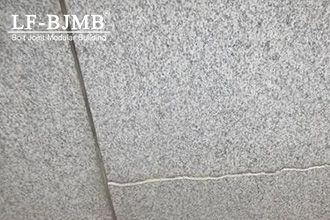
(2) Damage and Defects in Curtain Wall Sealant
1) Quality defects during construction, such as missed sealant application, thin sealant layers, or voids
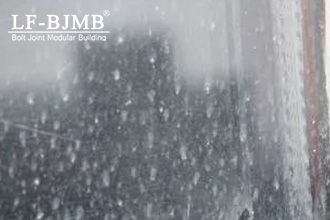
2) Over time, sealant hardens, ages, cracks, or peels off, causing water leakage in the curtain wall
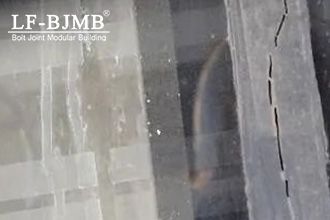
3) Sealant damaged by bird pecking
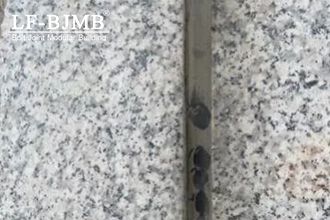
4) Aging of structural adhesive between inner and outer glass panels, resulting in reduced bond strength and detachment of the outer glass panel
(3) Damage and defects in curtain wall operable units
1) Operable units cannot open or close properly.
2) Damaged or detached hinges on operable units.
3) Loose, damaged, or missing handles on operable panels, resulting in poor sealing.
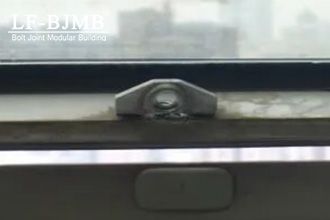
(4) Common Defects in Building Curtain Walls and Their Remedies
1) Poor connection performance at the junctions of beams and columns
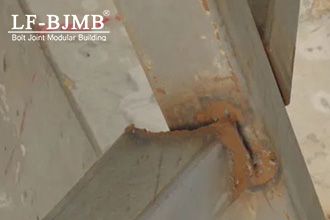
2) Severe corrosion or deformation of the main framework
(5) Damage and Defects in the Connection Between the Curtain Wall and the Main Structure
1) Missing or damaged anchor bolts, resulting in poor connection performance; some cases involve retrofitted anchors
2) Cracks or damage in the concrete around embedded anchors
3. Remediation of Existing Building Curtain Wall Defects
For the curtain wall defects mentioned above, the following remedial measures are recommended:
(1) If the curtain wall uses non-safety glass, it is recommended to directly replace it with safety glass in areas with high pedestrian and vehicle traffic; if replacement is difficult, apply a film (shatter-resistant film) to the glass surface to prevent safety accidents caused by falling glass fragments.
(2) For cracked, damaged, spontaneously shattered, or loose curtain wall panels, it is recommended to replace them as soon as possible and ensure proper sealing between the new panels and the surrounding panels.
(3) For damaged curtain wall components and connectors, or for connectors that are loose or detached from the main structure, timely replacement or reinforcement and repair should be performed.
(4) It is recommended to periodically reapply sealant to the curtain wall and strengthen maintenance and upkeep during the curtain wall’s service life.
(5) After 10 years of service, the bonding performance of structural adhesives should be randomly inspected; thereafter, inspections should be conducted every 3 years. If the bonding performance of the structural adhesives is found to be insufficient, the curtain wall should be retrofitted or reinforced as soon as possible.
(6) In the event of natural disasters such as typhoons, earthquakes, or fires, a comprehensive inspection of the curtain wall should be conducted after the disaster, and repairs and reinforcements should be carried out based on the extent of the damage.


