





 About Us
 2026-01-12
In regions with frequent snowfall, even the most scientifically designed steel structures require diligent winter maintenance to ensure safety. Accumulated snow on roofs, obstructed drainage systems, and sustained structural stress all pose potential hazards. Only through systematic upkeep can building durability and safety be enhanced.
1. Roof Clearing and Protection
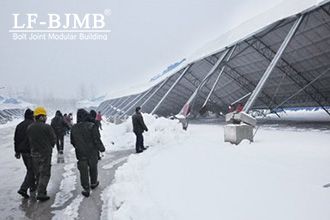
Roof maintenance is the primary task during snowy seasons. Snow accumulation imposes additional loads on roofs. If left unattended, it can cause localized structural deformation at best and roof collapse at worst.
Regular Snow Removal: Establish a snow removal schedule based on snowfall levels. Clear snow promptly after each accumulation exceeding 5 cm, prioritizing roof edges, areas near gutters, and zones with concentrated loads.
Sloped Roof Design Advantages: Sloped roofs facilitate natural snow runoff, but post-snowfall inspections of ridges, roof junctions, and snow-discharge paths remain essential to prevent blockages or ice buildup.
Slip Prevention and Safety: Prioritize worker safety during snow removal. Utilize mechanical snow-clearing equipment or remote-controlled tools whenever possible to avoid direct personnel contact with slippery surfaces. Install temporary safety netting when necessary.
2. Drainage System Inspection
Drainage system inspection and maintenance are equally critical. During snowmelt, poor drainage can cause melted snow to freeze into “ice dams” at eaves, gutters, or downspouts. These dams not only block drainage pathways but may also cause water to backflow, penetrate the roof waterproofing layer, and damage walls and interior fixtures.
Before the snow season arrives, thoroughly clear debris like leaves and dust from gutters and inspect downspouts for damage or blockages.
In extremely cold regions like Northeast China and Inner Mongolia, install electric heating cables in gutters and downspouts with automatic low-temperature activation to prevent freezing.
Install anti-icing devices beneath eaves to prevent falling icicles from injuring pedestrians or damaging ground facilities.
3. Structural Monitoring and Early Warning
Structural monitoring and early warning systems serve as vital complements to modern steel structure snow season maintenance. Most newly constructed steel buildings now incorporate intelligent monitoring systems. Load sensors installed at critical roof locations provide real-time snow accumulation weight monitoring, triggering automatic alerts when loads approach safety thresholds.
Temperature and stress sensors track stress changes in steel under low-temperature conditions, enabling timely detection of stress concentration issues.
Managers can remotely access all monitoring data via IoT platforms on mobile devices or computers, maintaining real-time awareness of structural conditions and enabling risk prediction without on-site inspections.
4. Conclusion
Snow season maintenance is not a single-step operation but a systematic project encompassing roofs, drainage, and monitoring. Scientific design serves only as the foundation; routine inspections and maintenance are the core to ensuring the long-term safety of steel structures. By establishing dedicated snow season maintenance protocols, conducting regular inspections, and addressing issues promptly, enterprises can guarantee stable building operation in harsh cold environments, preventing safety incidents and economic losses.


