




 About Us
 2026-05-01
The mechanism by which strong winds damage building roofs depends not only on meteorological and geographical factors such as wind speed, wind direction, and topography, but also on factors related to the building’s structural design, construction, and routine maintenance. This article introduces common wind-resistance measures from the perspective of the construction and maintenance of industrial steel roof structures.
What Is the Roof Construction of Industrial Steel Structures?
Based on the overall structure and assembly methods of steel structures, they can be classified into dozens of different steel structural systems.
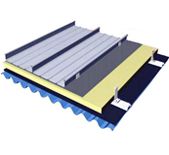
Steel structure roofs generally consist of roof steel sheets (commonly natural-colored galvanized-aluminum sheets or color-coated sheets), insulation, cross beams, purlins, eaves gutters, fasteners, and other components.
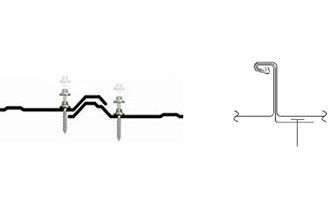
Based on the connection method of the roofing sheets, steel structure roofs can be divided into three main categories: interlocking screw connections (with exposed screws), standing seam lock connections (without exposed screws), and interlocking concealed clip connections (a more advanced connection method).
Why does the wind resistance of steel structure roofs weaken?
Wind resistance decreases due to building age (failure to meet new code requirements) or poor quality in subsequent renovations or maintenance.
Contractors may cut corners on construction costs by using substandard steel sheets, purlins, and fasteners (such as screws), which are difficult to detect after installation.
Poor construction quality leads to structural instability. Examples include defective eave gutter welds, misaligned screw threads, insufficient screw counts, improper corner treatment, or even gaps left in the edges.
During use, timely maintenance and repairs are often neglected regarding rust or damage to screws or steel sheets. Additionally, corrosion of roof steel sheets and fasteners can be accelerated by gases and dust emitted by the enterprise itself, or by coastal salt fog.
Poorly secured ancillary facilities such as exhaust ducts and air conditioning units installed on the roof later, or installations that only consider dead loads without accounting for uplift loads, can cause damage to the roof steel sheets and exacerbate the problem during high-wind conditions.
How can the wind resistance of steel-framed roofs be enhanced?
Eliminate unauthorized modifications and expansions to prevent compromising the wind load-bearing structure. For steel-framed roofs that have been in use for over 20 to 30 years, a complete renovation is recommended.
Engage a reputable construction company to ensure construction quality and project supervision. Additionally, it is advisable to strengthen regular inspections and maintenance.
Reinforce the roof using bolts and purlins.
Use steel clamps and fastening devices to reinforce roof corners and purlins, preventing steel sheets from being lifted by the wind.
As a temporary measure, cover loose areas at corners, eaves, and other locations with heavy objects such as sandbags, and secure them with waterproof adhesive.
Inspect, reinforce, and seal the connection points between the roof steel sheets and exhaust pipes, skylights, and other components. Verify and reinforce auxiliary equipment such as exhaust pipes.
For temporary steel structures with weak wind resistance, implement special reinforcement measures.
Maintenance Methods for Steel Roof Structures
Clean dust and rust from the roof using a high-pressure water gun, brushes, sandpaper, and detergents.
Replace corroded fastening screws. In coastal areas with high typhoon risk and susceptibility to salt corrosion, it is recommended to use stainless steel screws or bolts.
Apply a primer and topcoat within 24 hours of rust removal.
Repair roof holes and cracks using polyurethane mortar, waterproof mesh specifically designed for steel roofs, or butyl tape.
The corners and edges of the roof are subject to significant uplift forces caused by wind; these areas should be reinforced, or low protective walls (parapets) should be designed and constructed.
Perform localized reinforcement and repairs on the ridge waterproofing panels; it is recommended to secure them with double rows of screws.


