




 About Us
 2025-09-19
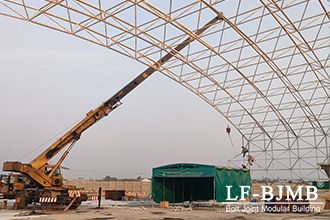
Steel structures are frameworks composed of steel materials, representing one of the primary building structural types. These structures primarily consist of components such as beams, columns, and trusses made from structural steel sections and steel plates. They employ rust prevention techniques including silanization, pure manganese phosphating, water washing and drying, and galvanization. Components or parts are typically joined using welds, bolts, or rivets. Due to their relatively light weight and ease of construction, they are widely used in large factories, stadiums, super high-rise buildings, and other fields.
Classified according to different criteria as follows:
Steel structures are categorized by purpose into four types: tall steel structures, plate-shell steel structures, industrial plant steel structures, and light steel structures.
1. Tall Steel Structures: These encompass television towers, microwave towers, communication towers, high-voltage transmission line towers, petrochemical towers, atmospheric monitoring towers, rocket launch towers, observation towers, drilling rigs, exhaust stacks, water towers, and chimneys. Most tall structures utilize steel construction. The 336-meter Heilongjiang TV Tower stands as China’s tallest steel-structured multi-functional television tower. Numerous other steel towers of similar height (200–300 meters) exist. Major steel tower structures built in China during the 1960s–1970s include the 200-meter Guangzhou TV Tower, 210-meter Shanghai TV Tower, 194-meter Nanjing Yangtze River Power Transmission Tower, and 325-meter Beijing Environmental Climate Mast. Steel structures also include the 212-meter Shantou TV Tower and 260-meter Daqing TV Tower, both completed in 1990. The most widespread tall structures are communication and transmission towers. With the expansion of information and power infrastructure, these approximately 50-meter steel towers will proliferate across China.
2. Plate-Shell Steel Structures: These are used for enclosed containers requiring high resistance to internal forces and rapid temperature changes, such as large oil storage tanks, gas reservoirs, furnace shells, blast furnace structures, and large-diameter high-pressure oil pipelines. Some large hydraulic structures, like ship lock gates, also employ plate-shell designs.
3. Industrial Plant Steel Structures: Steel structures commonly serve as load-bearing frameworks for heavy-duty workshops. Examples include open-hearth furnace shops, primary rolling mills, and cupola furnace shops in metallurgical plants; casting shops, hydraulic press shops, and forging shops in heavy machinery factories; shipbuilding yards’ slipway workshops; aircraft assembly plants; and roof structures and crane girders in other factories with large spans. Numerous workshops at renowned integrated metallurgical enterprises like Ansteel, Wuhan Iron and Steel, Baotou Iron and Steel, and Shanghai Baosteel employ steel structures of various designs. Similarly, massive steel structures are found in the hydraulic press workshop of Shanghai Heavy Machinery Works and at Shanghai Jiangnan Shipyard.
4. Lightweight Steel Structures: Lightweight steel structures typically refer to frameworks welded from round bars, small angle steel, thin-walled sections, or thin steel plates. Their advantages include light self-weight, low cost, high factory production efficiency, minimal on-site installation labor, and rapid construction speed. Additionally, they offer attractive aesthetics, spacious interiors, and high building area and space utilization rates, making them highly competitive in the construction market. In recent years, light steel structures have experienced rapid development in China. Their application scope has expanded from industrial plants, small-to-medium-sized buildings, stadium grandstands and canopies, and small warehouses to residential buildings and villas.


