






 About Us
 2026-01-19
Steel structures, with their advantages of large spans and high space utilization, are widely used in factories, warehouses, stadiums, and similar settings. However, in regions with frequent snowfall or strong winds, inadequate consideration of snow and wind loads in roof design can easily lead to structural safety hazards. Therefore, rigorous calculations and targeted design are essential to establish a robust safety defense.
1. Impact of Snow Loads
In regions with frequent snowfall, snow loads are a core consideration in steel roof design.
Roof Slope: Directly influences snow accumulation. Steeper slopes facilitate natural snow shedding, reducing load buildup.
Roof Orientation: North-facing roofs experience shorter daylight hours and lower temperatures, making snow retention and potential icing more likely. Design should incorporate higher safety factors accordingly.
Structural Support: Support components like beams and columns must be arranged for balanced stress distribution to prevent localized overloading and collapse. Especially in large-span roofs, structural optimization is essential to ensure uniform load transfer.
2. Impact of Wind Loads
Wind forces exert a more complex influence on steel roofs, generating not only downward pressure but also upward suction in certain areas. Both forces can cause structural damage.
High-wind regions: Increase purlin density and enhance support member strength to improve overall wind resistance.
Edge and corner areas: Roof edges, eaves, and similar zones concentrate wind forces. Turbulent airflow can cause localized stress overload, requiring focused protection through reinforced connections and additional bracing members.
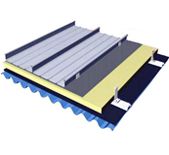
Material Selection: The choice and fastening of metal roof panels are critical. Sufficiently thick panels must be used with robust fasteners to prevent strong winds from lifting the panels.
3. Comprehensive Design Considerations
Actual design must also address multiple integrated factors. First, strictly adhere to local building codes. Determine calculation standards for snow and wind loads based on regional climate data to ensure designs meet safety requirements.
For large-span industrial buildings or warehouses, structural stability can be enhanced by adding secondary roof beams and lateral bracing;
In regions with heavy snowfall, snow-melting systems can be installed or snow-shedding roof coatings selected to mitigate long-term snow accumulation impacts;
In high-wind areas, roof openings and ventilation systems must be strategically planned to prevent pressure differentials within the building, reducing risks from concentrated wind loads.
Scientific snow and wind load design is not only crucial for ensuring the safety of steel roofs but also effectively extends building lifespan and reduces long-term maintenance costs.
Steel buildings are a reliable, low-maintenance choice that perform exceptionally well even in cold conditions—whether you need to store valuable equipment, shelter animals, or build a year-round workshop. Contact LF today to discuss your steel building needs!


