




 About Us
 2026-07-15
Coal storage silos in coastal and tropical regions are constantly exposed to extreme wind conditions, and typhoons are the primary meteorological factor threatening the safe and stable operation of large-span coal storage silos. Unlike ordinary high-wind conditions, typhoons are characterized by high wind speeds, long duration, strong gusts, and high wind pressure loads, which have a particularly significant impact on steel-structured coal storage silos with large wind-exposed areas and wide spans. If the initial wind-resistance design standards are inadequate, structural redundancy is insufficient, or construction quality fails to meet standards, typhoon conditions can easily trigger multiple issues, including structural stress hazards, damage to the building envelope, and disruption to equipment. This article provides a detailed analysis of five common risks posed by typhoons to coal storage silos, clarifies the core principles underlying how typhoons affect their safety, and offers a professional reference for specialized wind-resistance design and safety retrofits of coal storage silos.
1. Continuous Strong Wind Loads Impacting the Main Structure
The most critical impact of typhoons is the application of high-intensity, sustained horizontal wind loads. Wind speeds during extreme typhoons can exceed 50 m/s, far surpassing conventional design wind speeds. Strong winds continuously and repeatedly strike the walls and roofs of coal storage silos, imposing cyclic compressive loads on the entire steel structure. Large-span coal storage silos have a large overall wind-exposed area; the longer the structural span, the more pronounced the cumulative effect of wind loads becomes. Prolonged and sustained wind pressure tests the load-bearing capacity and resistance to deformation of the main structure. If the structural design is not adapted to extreme typhoon conditions, structural hazards such as overall deformation and component stress exceeding limits are likely to occur.

2. Uplift Failure Caused by Negative Pressure Suction on the Roof
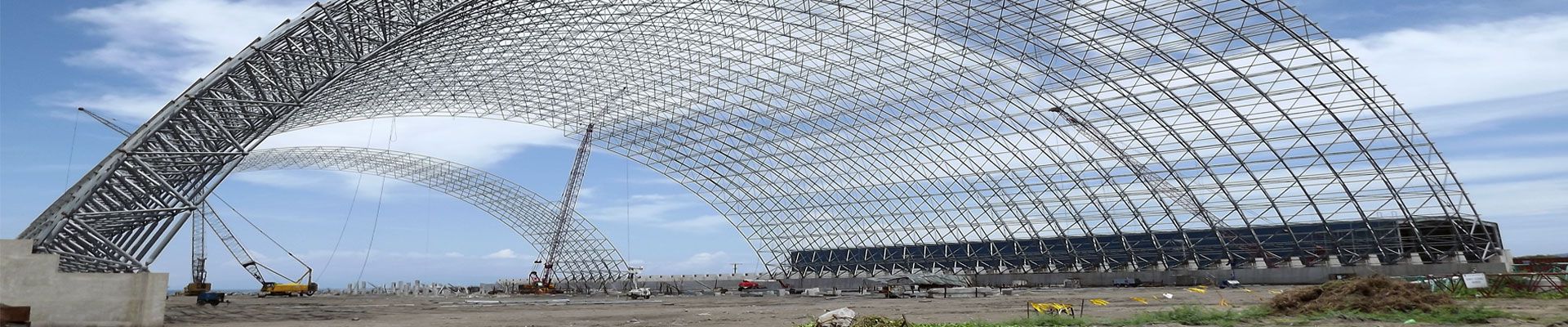
Coal storage silos often feature curved, streamlined roofs such as arches or domes. When typhoon winds sweep rapidly over these curved surfaces, they create significant negative air pressure, generating powerful upward suction forces. Under the influence of this negative pressure, the roof is subjected to continuous uplift forces, exerting extreme tensile stress on roof purlins, cladding panels, and roof connection joints. Under super typhoon conditions, excessive wind suction can easily cause the roof to loosen or warp; in severe cases, it can lead to localized roof peeling or component detachment, making this one of the most common forms of damage to coal storage silos during typhoon weather.
3. Structural Fatigue Damage Caused by Wind-Induced Vibrations
Large-span steel coal storage silos are characterized by light self-weight, large spans, and high flexibility. Under the combined effects of sustained typhoon gusts and turbulence, they are prone to periodic wind-induced vibrations. Long-term repetitive structural vibrations subject steel structural members, welded joints, and bolted connections to continuous fatigue loads. Over time, this leads to structural fatigue damage, weakening the strength of connections and the overall structural rigidity. For projects exposed to typhoon conditions over the long term, failure to account for the effects of wind-induced vibrations will accelerate structural aging and reduce the overall service life and long-term stability of the coal storage silos.
4. Risk of Damage and Leakage in the Enclosure System
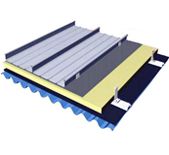
The enclosure system serves as the first line of defense for coal storage silos against typhoons, yet it is also the most vulnerable component under typhoon conditions. Under the combined effects of strong wind pressure and wind suction, color-coated steel panels on the roof and walls, sealing components, and edge trim are prone to damage such as loosening, displacement, and detachment. Once the enclosure system is damaged, it not only compromises the coal storage silo’s overall airtightness and dust containment but also leads to issues such as rainwater leakage and water ingress into the silo, which in turn corrode the internal steel structure, creating secondary rust hazards and compromising structural durability and on-site safety.
5. Localized Structural Instability Caused by Weak Joints
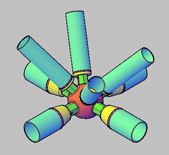
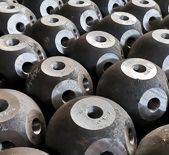
Typhoon damage to coal storage silos is largely concentrated at weak structural joints, with support joints, splicing joints, and purlin connection joints being the primary risk points. Under the combined effects of complex typhoon loads—including wind pressure, tensile forces, and vibrations—joints with insufficient stiffness, inadequate construction precision, or improper reinforcement are prone to stress concentration, loosening of connections, and local deformation. The failure of a single joint can gradually spread and disrupt the local structural load-bearing balance; in severe cases, it can cause local structural instability, posing a serious threat to the overall safety of large-span coal storage silos.


