




 About Us
 2025-10-29
As the construction industry advances toward a green, intelligent, and efficient transformation, prefabricated steel structures are emerging as a focal point within the sector, showcasing immense development potential through their unique advantages. The recyclability of steel makes prefabricated steel structures environmental pioneers. During demolition, most steel can be recycled and reused, drastically reducing construction waste. Compared to traditional buildings, they generate significantly less construction waste while consuming lower energy and emitting fewer carbon emissions during production. This perfectly aligns with global green and low-carbon development principles, making them a key pathway for sustainable construction.
Steel structures boast high strength and excellent toughness, enabling buildings to achieve high load-bearing capacity and realize large-span spatial layouts, meeting specialized demands for commercial venues, industrial plants, and similar facilities. They demonstrate outstanding seismic performance, effectively absorbing and dispersing energy to safeguard residents in earthquake-prone areas. Advances in fireproofing and corrosion-resistant technologies have significantly extended the service life of these structures.
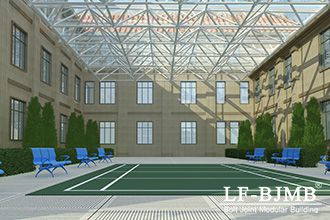
Prefabricated construction revolutionizes traditional building processes. Factory-prefabricated components are produced concurrently with on-site construction, substantially saving time. Standardized and precision-engineered components ensure reliable quality, while rapid on-site assembly minimizes disruption from natural factors and reduces labor and time costs. Statistics indicate that construction cycles are approximately 60% shorter than traditional concrete structures, enhancing project delivery efficiency and proving highly attractive to developers and homebuyers.
To drive the transformation and upgrading of the construction industry, governments worldwide have introduced policies encouraging the development of prefabricated steel structures. Since the 13th Five-Year Plan period, China has rolled out numerous supportive policies from central to local levels, covering fiscal subsidies, tax incentives, and land concessions. These measures lower barriers to adoption, reduce costs, and create an exceptionally favorable policy environment.
In recent years, China’s construction industry has seen steady growth in total output value, with steel structures accounting for an increasing share. Technological innovations have yielded remarkable achievements, exemplified by landmark projects like the terminal building at Beijing Daxing International Airport. However, steel structures account for only about 8% of China’s new construction floor area, significantly below the 20%-30% average in developed countries, indicating enormous market potential. Currently, prefabricated steel structures face challenges including insufficient market awareness, relatively high initial costs, and varying enterprise scales and technical capabilities. Nevertheless, accelerated intelligent and digital upgrades driven by technological advancements, alongside coordinated progress in standardization and diversification, will enhance industry concentration. Integration with innovative new materials will further inject fresh vitality into the sector. Prefabricated steel structures align with the evolving trends of the construction industry. Despite existing challenges, leveraging their inherent advantages and policy support, they are poised to occupy a pivotal position in future construction. This will propel the industry toward new heights, creating more desirable living and working environments for people.


